Why filmmakers from around the world are choosing Ibiza for their storytelling.
Ibiza has long attracted filmmakers drawn to its natural light, varied landscapes and distinctive atmosphere, making it one of Europe’s most enduring filming locations. Far beyond its reputation as a nightlife destination, the island has served as a filming location for feature films, independent cinema and documentaries for more than five decades. From countercultural classics to contemporary independent films, Ibiza continues to offer a setting where landscape plays an active role in storytelling.
Today, filmmakers continue to choose Ibiza not because it is new, but because it remains visually and creatively compelling.
A Proven Film Location with Cinematic History
Ibiza’s relationship with cinema is well established. One of the most frequently referenced examples is More, directed by Barbet Schroeder. Filmed largely on location across the island, More captured Ibiza during a period of artistic experimentation and creative freedom. Its use of natural light, slow pacing and unembellished landscapes positioned Ibiza as more than a backdrop. The island becomes part of the narrative, shaping mood, isolation and intimacy.
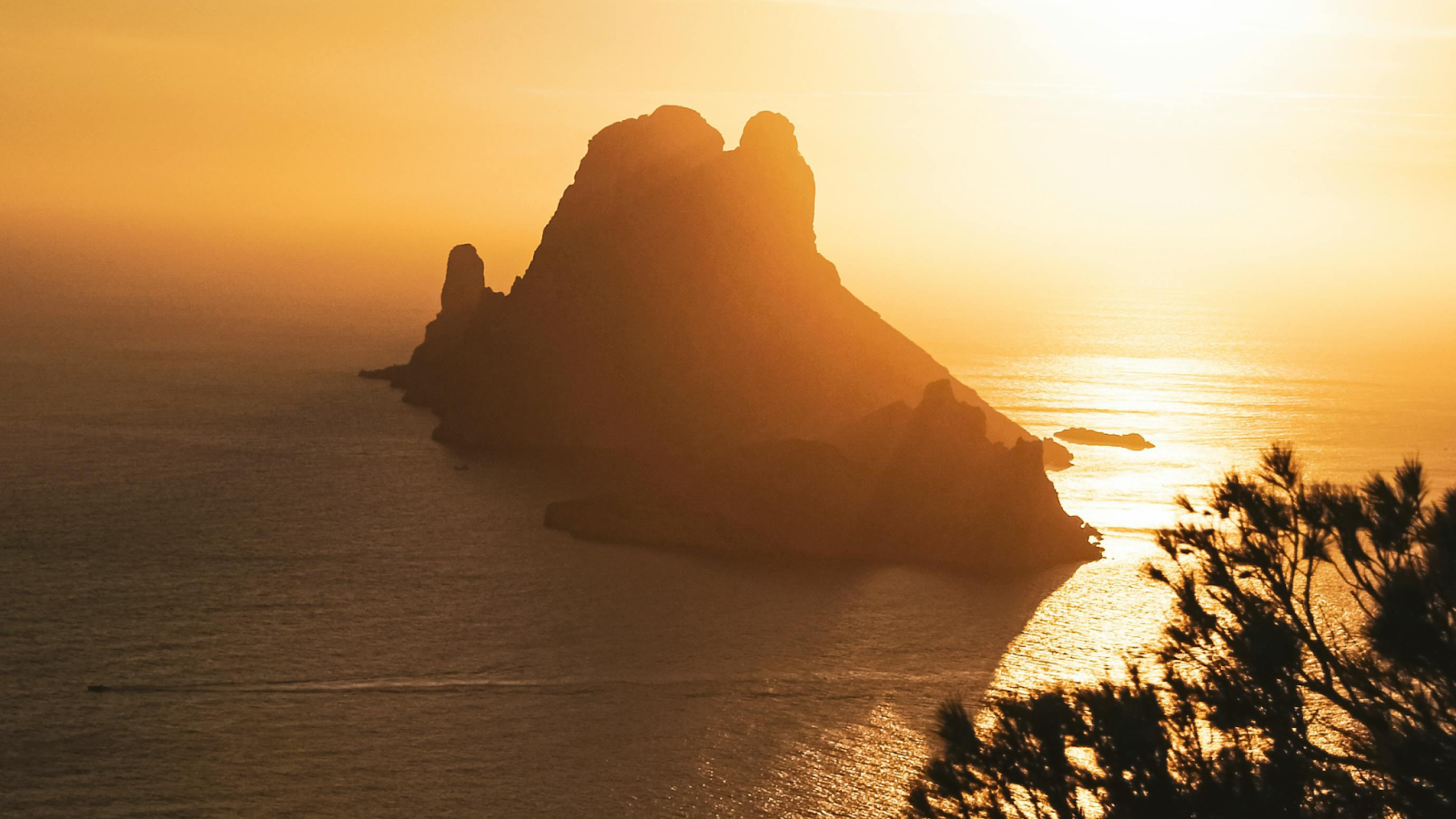
Many of the film’s scenes were shot in and around Ibiza countryside and the coastal areas near Es Vedra, locations that continue to draw filmmakers seeking visual stillness and emotional depth.
The film has since been widely discussed by international publications, including retrospectives in The Guardian and Sight & Sound, both of which reference Ibiza’s role in shaping the film’s tone and legacy.
Ibiza Spotlight’s Films and documentaries about Ibiza lists a range of movies where the island has appeared, from early cinema to more recent documentary portrayals that frame Ibiza’s landscapes and cultural resonance on the silver screen. Additionally, Ibiza Spotlight covered the revival of historic cinema at Teatro Pereyra in Ibiza Town, marking decades-long traditions of local film screening and community engagement with cinema. This context also informed ROLA’s decision to host its first awards night at the venue in 2025.
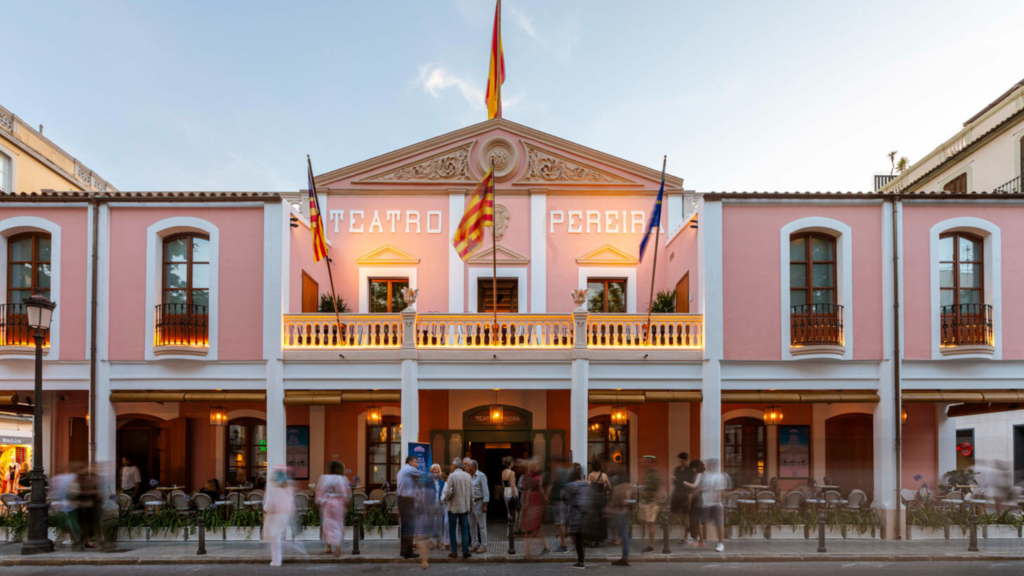
Image credit: Teatro Pereyra
Films like Hallucination Generation positioned Ibiza within broader 1960s counterculture cinema, depicting the island as part of a transnational narrative of artistic and social exploration.
One of the earliest known films shot on Ibiza, The Day (1960), captured rural island life through a semi-documentary lens, illustrating how cinema has intersected with local settings since the early 1960s.
Landscape as Narrative Device
Ibiza’s appeal lies in the range of environments available within a relatively small geographical area. From secluded coves and salt flats to pine forests and agricultural land, the island offers filmmakers visual diversity without the need for extensive travel.
The Mediterranean coastline, particularly around Las Salinas Ibiza, has featured in multiple productions due to its open horizons and reflective light. Inland, the island’s campo provides a softer, earth-toned palette that supports intimate, character-led storytelling.
These contrasts were also utilised in The Deep, an adventure thriller starring Nick Nolte and Jacqueline Bisset. Portions of the film were shot in the waters surrounding Ibiza, taking advantage of the island’s clarity of light and underwater visibility. Coverage at the time by Variety highlighted Ibiza’s suitability for complex location shoots involving both land and sea.
Local coverage from Diario de Ibiza highlights a range of films shot on the island over many decades, reinforcing Ibiza’s long-standing role as a visual setting and cultural backdrop for cinema.
The island’s official tourism resource also profiles films such as Verliefd op Ibiza and Los Crímenes del Día de Todos los Santos, demonstrating how Ibiza’s beaches and towns have served a variety of narratives and genres over time.
Contemporary Independent Cinema in Ibiza
More recent films demonstrate that Ibiza continues to resonate with independent filmmakers. White Island is a British independent feature, filmed entirely on location in Ibiza. The film presents a stripped-back portrayal of the island, focusing on personal transition and emotional dislocation rather than spectacle.
Scenes were filmed across central Ibiza and the northern coastline, including areas near Benirràs Beach, a location known for its natural acoustics and evening light. The film has been referenced in features by Screen Daily, which noted the island’s ability to support low-budget productions while retaining strong visual identity.
Mainstream productions have also continued to use Ibiza as a filming location. Ibiza, released globally on Netflix, was shot on location and contributed to renewed international visibility of the island as a contemporary screen setting. While stylistically different from earlier films, it reinforces Ibiza’s ongoing relevance to global audiences.
Supporting Film Production on the Island
Behind the scenes, organisations such as Ibiza Film Office play a key role in supporting film and television production. By assisting with permits, location access and local knowledge, the Film Office helps ensure Ibiza remains accessible to both international productions and independent filmmakers.
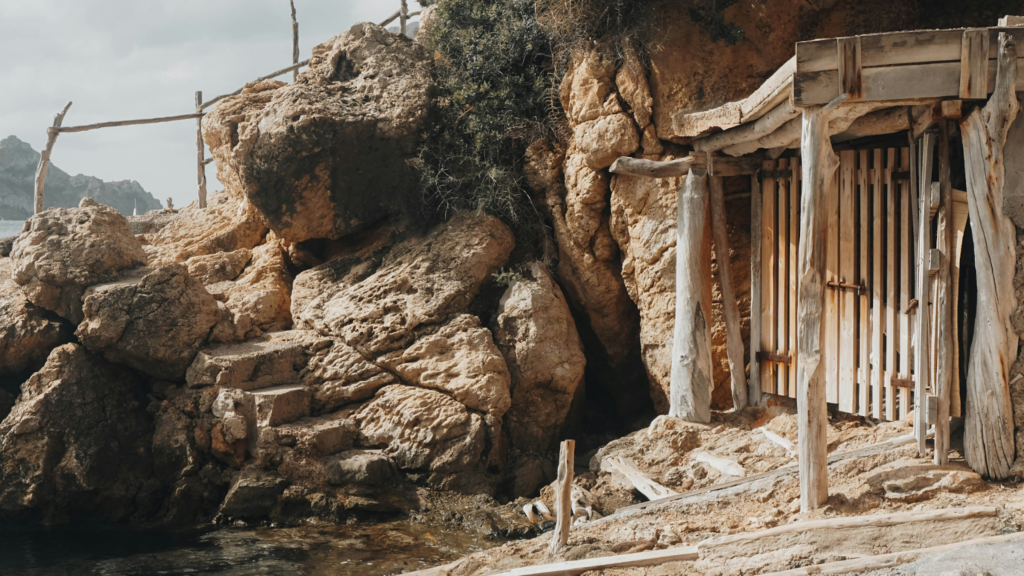
This infrastructure has been essential in sustaining Ibiza’s long-standing presence within European cinema, while enabling new generations of filmmakers to work on the island responsibly and efficiently.
Independent Film Culture and Creative Exchange
Ibiza’s cinematic identity is not limited to production alone. The island also supports exhibition, dialogue and creative exchange through initiatives such as Ibiza Cine Fest, which showcases international independent cinema alongside local and regional work.
The Ibicine Film Festival and its Astarté Awards celebrate local and international shorts and features, supporting talent and generating industry recognition aligned with Ibiza’s creative ecosystem.
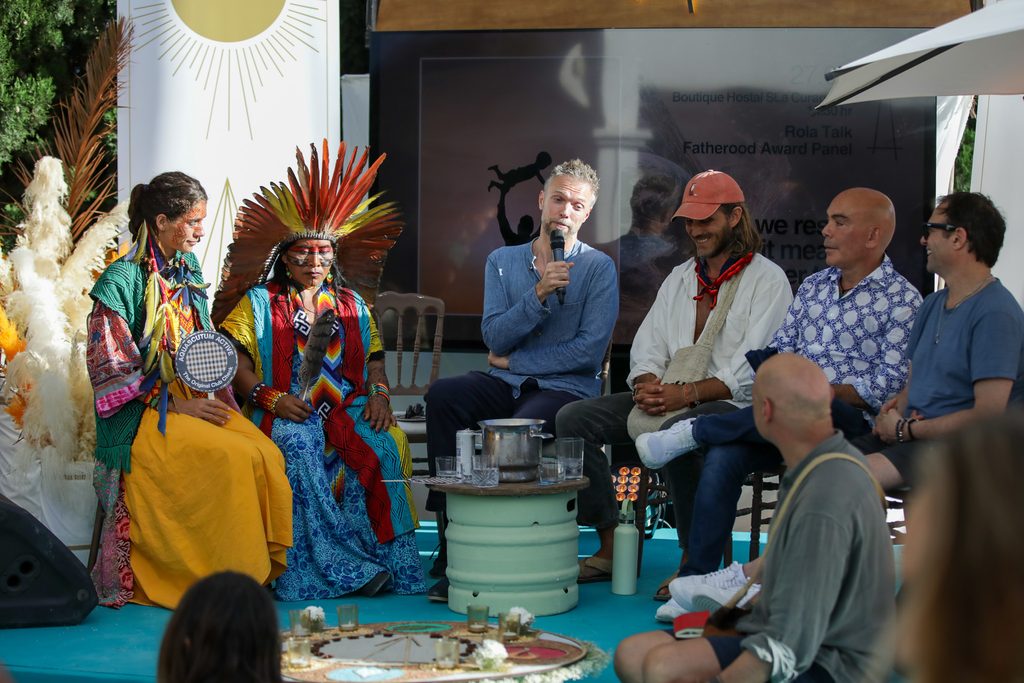
Within this wider context, Ray of Light Awards exists to highlight and platform creative voices working across film and music. ROLA does not seek to redefine Ibiza’s creative legacy. Instead, it contributes to an ongoing cultural conversation by offering visibility, screening opportunities and professional recognition to emerging and established artists whose work aligns with the island’s enduring creative spirit.
By focusing on storytelling, craft and artistic intention, ROLA reflects Ibiza’s long-standing relationship with creative expression rather than presenting it as something new.
Why Filmmakers Continue to Choose Ibiza
Filmmakers continue to be drawn to Ibiza for practical and creative reasons. The quality of natural light, the island’s manageable scale, and the diversity of landscapes all support efficient production. Just as importantly, Ibiza offers a sense of atmosphere that cannot be easily replicated elsewhere.
From cult cinema to contemporary independent film, Ibiza has consistently proven itself as a place where landscape, light and narrative intersect. The island’s cinematic history is not defined by trends, but by continuity.
As filmmakers continue to explore new stories, Ibiza remains what it has always been: a place where creative work can breathe.