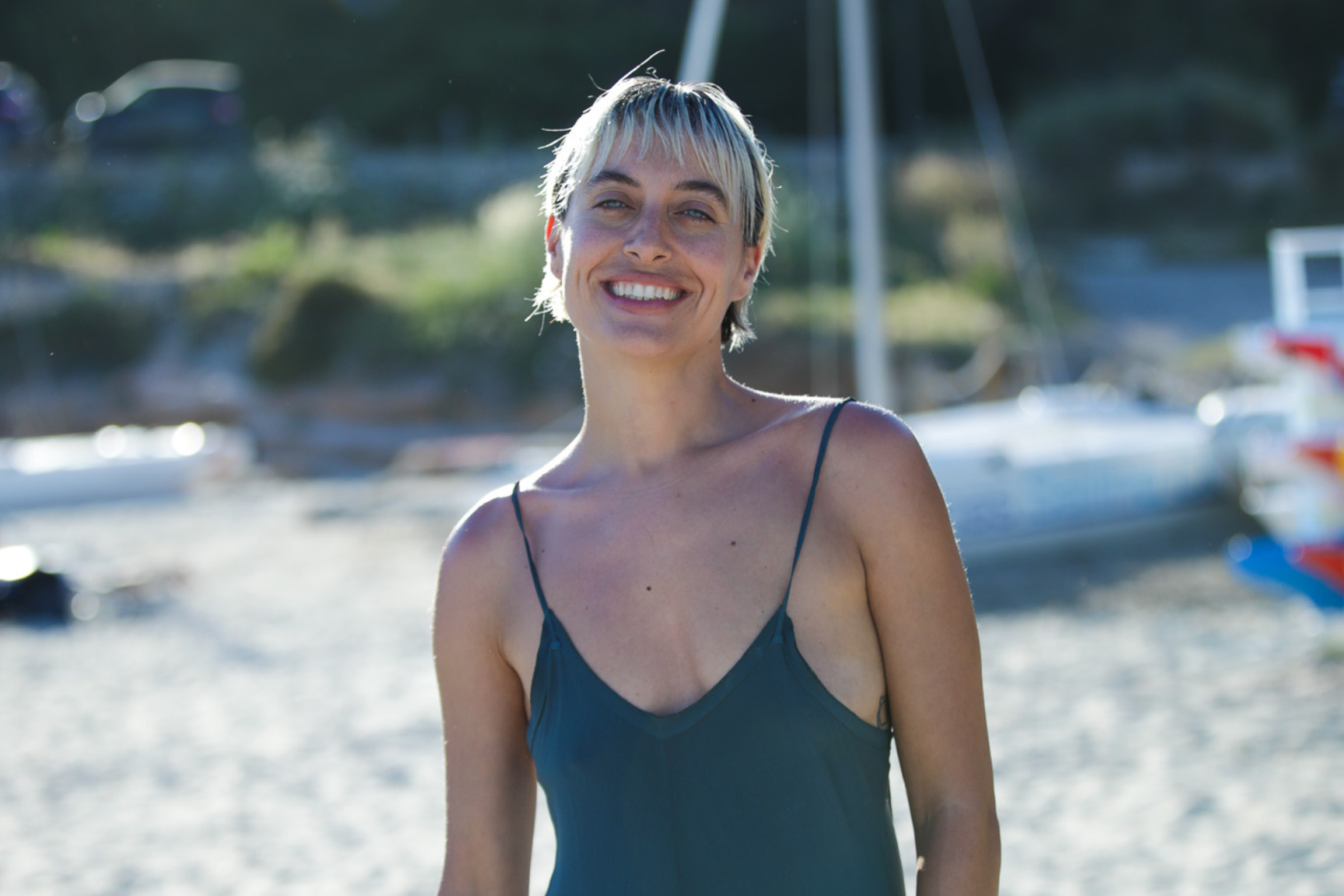
For Linda Messerklinger, acting begins with curiosity. Curiosity about what moves another person, what lies beneath our conscious behaviour and what becomes possible when, for the duration of a story, we are asked to inhabit a life other than our own.
The Italian actress and multidisciplinary artist came to ROLA through a shared understanding of what art can be when it moves beyond performance or product. From her earliest conversations with founder Elisabetta Caraccia, Linda recognised an idea that was already central to her own work: that creativity can become a way of exploring how we live, how we relate to one another and what we choose to contribute to the world around us. It is why she describes acting not simply as a profession, but as a continual expansion of what it means to be human.
To Enter Somebody Else’s Life
Every character asks an actor to cross a boundary. “You literally put yourself in the body of somebody else, in his life, in his emotions.” Linda sees something quietly radical in that process. To play another person well requires an actor to suspend judgement long enough to understand them. Their circumstances, desires, contradictions and fears have to be approached from within rather than observed from a distance.
For her, this makes acting an exercise in empathy and, at its best, “a ritual of love”. The same possibility exists for the audience. A story can take us into circumstances we have never experienced and allow us, briefly, to encounter the world through somebody else’s eyes. Linda is particularly interested in documentary for precisely this reason, believing it can connect people to lives and realities that might otherwise remain remote or abstract.
What We Choose to Put Into the World
With that ability comes responsibility. Linda is conscious of the messages embedded within the films, series, music and other cultural material we consume, particularly those created for children and young people. Stories do not exist in isolation from the people watching them. They can reinforce competition, fear and division, or they can make room for compassion, imagination and a broader understanding of the world.
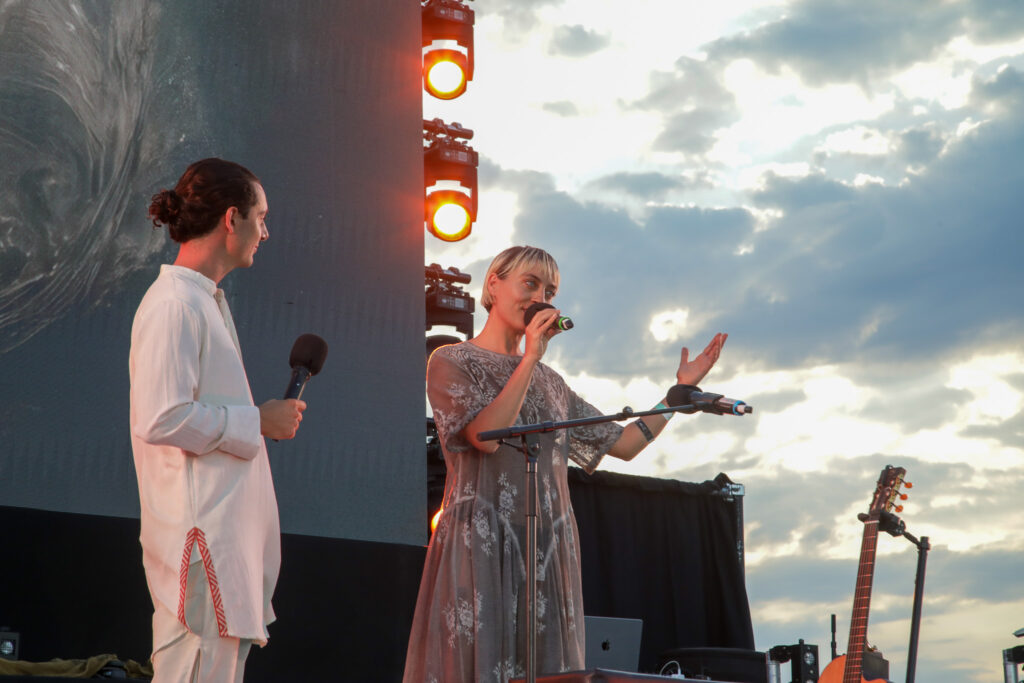
For Linda, the question therefore extends beyond whether something can entertain or find a market. It is also about what that work is nourishing. “If I can choose as an actress, I want to be in projects that I really feel that we are creating something graceful altogether.” That intention extends to the process of filmmaking itself. She wants the experience of making a film to change the people involved in creating it, not only those who eventually watch it. The relationships formed on set, the environment created between collaborators, the resources used and even the ecological impact of production all belong to the same conversation.
A meaningful story should not have to be separated from the way in which it is made.
Film as a Way of Seeing More
Linda speaks particularly passionately about the possibilities of documentary. Rather than learning about another culture, community or experience only as information, film allows us to see faces, hear voices and enter the emotional reality of somebody else’s life. That shift from knowing to feeling matters. “Any story that can inspire empathy, that can enlarge our way to feel compassion for other human beings, for animals, for plants, for forests that have been destroyed… these are stories that I love to tell.” She would like to see documentaries used far more widely as a form of education, including within schools, where they could give younger generations a more immediate relationship with the contemporary world.
For Linda, this is one of cinema’s great possibilities. It can enlarge our field of vision without asking us to have lived every experience ourselves.
A Different Kind of Creative Space
It is also what drew Linda to ROLA.
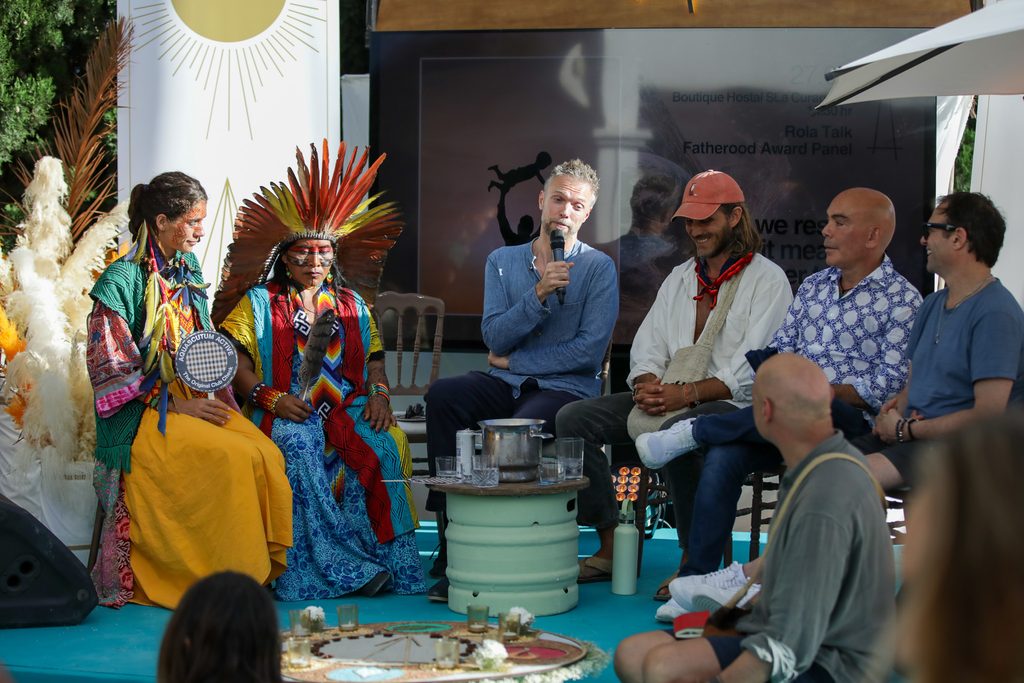
She describes the festival not in the conventional sense, but as a meeting place between people carrying different forms of experience and wisdom. Films and panels are part of it, but so are the conversations around a breakfast table, the unexpected introductions and the exchanges that continue long after a screening has ended. The value lies in that convergence.
At ROLA, Linda found filmmakers, artists, activists and thinkers from different cultures and disciplines asking many of the same questions. What are we creating? Why are we creating it? What might happen when those intentions are brought together? For someone accustomed to an industry where art can easily become inseparable from output and market value, she sees something important in creating space for a different conversation. “It’s properly an act of creating community.” Not because everybody arrives thinking alike, but because there is room to bring different experiences into dialogue and discover what they might create together.
The Stories That Shape What Comes Next
Much of Linda’s thinking ultimately returns to future generations. The films made now, the environments in which they are created and the ideas they carry will become part of the cultural landscape inherited by people growing up within it. Linda believes artists have agency within that process.
Stories can deepen separation, or they can make another person’s life harder to dismiss. They can reproduce what already exists, or invite us to imagine something different. They can treat nature as scenery, or remind us that human life exists within a much larger living world. For Linda, this is where art, empathy and responsibility meet. The artist does not have to provide all the answers. But through the stories we choose to tell, and the way we choose to tell them, we can widen the space in which people encounter one another.
And perhaps begin to see more than we could from where we stood before.